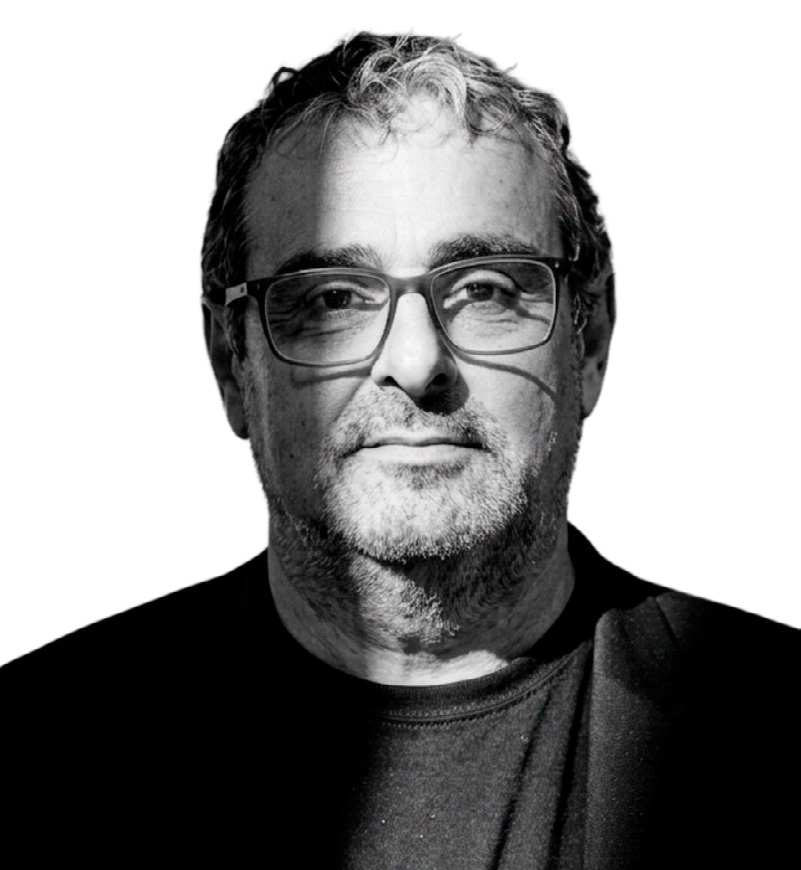
SIMONE BOSELLI
Public Affairs Director. EURORDIS – Rare Diseases Europe
What is EURORDIS? SB: We are a non-governmental alliance of patient and patient-driven organizations. We have over 950 registered organizations in 73 countries and aim to be the voice for the 30 million people living in Europe who are affected by rare diseases. Our mission is to improve the lives of those living with rare diseases by connecting with patients, empowering them to make decisions that impact their lives, and advocating for better treatment, improved care, and increased social integration at local, national, European, and even global levels. This is our ultimate goal. We have been in operation since 1997. I joined in 2017, and I am about to celebrate my fourth anniversary in a couple of days. I recall that when I first joined, we had around 700 members. In just four years, more than 200 additional associations have joined us.
This encapsulates the essence of our work, and we remain dedicated to enhancing the lives of individuals living with rare diseases. Throughout our more than 20 years of work, we have actively supported various legislative, political, and communication initiatives. International Rare Disease Day: What would you highlight? SB: International Rare Disease Day is perhaps the central pillar of our advocacy efforts. We have been globally celebrating this day for over a decade, marking it on the last day of February each year. In my view, this celebration has effectively drawn attention to the multitude of rare diseases we face and underscored the resilience of our community, contributing significantly to the betterment of many people's lives.
This year was arguably one of the best, with over 100 countries from around the world participating in numerous events and illuminating national landmarks in support of the cause. As an Italian, it was particularly gratifying for me to witness the iconic Leaning Tower of Pisa adorned in the colors of Rare Disease Day. What is your opinion about European policies on rare diseases? SB: Europe has consistently been at the forefront of action in the field of rare diseases. The Regulation on the Development of Orphan Medicinal Products dates back to 2000 and stands as one of the key recent policy actions. We are
ved. Nearly nine out of ten encountered difficulties in accessing necessary care. Sixty-four percent expressed concerns about their health, and 30% believed that this situation might jeopardize their lives, either probably or definitely. Sixty percent were unable to access diagnostic tests, preventing them from receiving therapies. Additionally, in 60% of cases, surgeries were postponed or canceled. I believe that the impact of COVID-19 will extend beyond the immediate effects of the pandemic.
presently working on its update. The primary goal of this project was to create a favorable European environment for research and development of new treatments for rare diseases. The Regulation incorporated a fundamental principle, asserting that individuals living with a rare disease deserve the same quality of treatment as the general population. This principle, in turn, incentivized the development of orphan drugs. While these European policies have regulatory aspects, they also aim to enhance the access and funding processes through various orphan drug designation programs and accessibility to additional forms of support, such as scientific and legal advice, and market exclusivity.
We have also witnessed some positive developments, particularly the increased use and enhanced relationship with telemedicine and virtual consultations. In the realm of rare diseases, we heavily rely on virtual consultations through the European Reference Networks. We understand that knowledge and expertise for treating specific diseases may not be available in every country, so sharing it virtually has always been our ally in the rare disease community.
Since 2000, we have designated over 200 therapies as orphan drugs. This could be perceived as a success. Nonetheless, it's now an opportune moment to assess what has been effective and what hasn't. Some aspects have not improved, as they aren't solely dependent on regulation. In particular, certain areas require even greater incentivization, like ultra-rare diseases that haven't witnessed the same level of research and scientific development as others. It's also essential to evaluate what has been successful and strive for improvements wherever possible, particularly in enhancing accessibility to treatments. An illustrative example can be found in Spain. Given its regionally based healthcare system, disparities and inequalities exist among the different Autonomous Communities.
This issue is not present in Italy, but it does persist in Europe, where we observe substantial imbalances in access to centrally authorized treatments. This challenge has been a continuous focus of our advocacy efforts. Specifically, we need a broader and more agile approach to accessing these treatments at the European level, benefitting all Europeans living with physical limitations.
EURORDIS in Spain: How does it work? SB: EURORDIS has an office in Barcelona. For us, and especially for me, it truly serves as the hub for building patient communities. Our colleagues in Barcelona primarily focus on fostering strong communities and promoting patient engagement and empowerment. We don't expect patients to know how to treat themselves, but we do encourage them to engage in meaningful dialogues with regulators, decision-makers, and clinicians on an equal footing, enabling them to participate in all decisions concerning their health. This is our mission: to assist patients in managing their diseases and enhancing their quality of life. In this regard, the Barcelona office plays a central role in this aspect of our work, offering services such as the academy, summer school, and more.
What do you think was the impact of COVID-19 on Rare Diseases? SB: COVID-19 has had a significant impact on the rare disease community. Since the beginning of the pandemic, we have addressed this challenge effectively, aligning our activities with the new circumstances. Our longstanding digital working platform allowed our organization to adapt well to the reality of COVID-19. Regarding the well-being of our community, we conducted a barometer survey to precisely understand the impact. The initial survey has already been completed, and the results were presented in November last year. Eighty-four percent of people living with a rare disease experienced disruptions in the care they recei-
What do you see as the main challenges for the future from Europe's perspective? SB: We are living in a peculiar time, which presents both a challenge and an opportunity for bolstering healthcare systems and investing in health. It is a moment for all nations, Spain included, to contribute to the betterment of Europe. Different countries may not have equal capabilities or readiness to address all recognized rare diseases. Consequently, collaborating at the European level would yield added value at the national, regional, and local levels. This is particularly pertinent for Spain. Therefore, working at the European level will exert a direct impact on the health of all Spanish citizens, not only those living with rare diseases.